
The idea
The Royal Star and Garter Home for Ex-Service Men and Women - a charity established in 1916 to care for severely disabled young men returning from the First World War - wanted to capture the memories of Britain's veterans of the twentieth century, and to raise funds for the Home while doing it.
The concept was elegant: a virtual timeship, carrying stories forward through time. Veterans - and their friends, families and service associations - would purchase a ticket, submit their memories, documents and photographs, and these would be archived for a century. The archive would be deposited at the Imperial War Museum, not to be opened until 2101. The ticket was styled as a boarding pass for flight TIME-001, departing at midnight on 31 December 2002 and arriving at midnight on 31 December 2101.
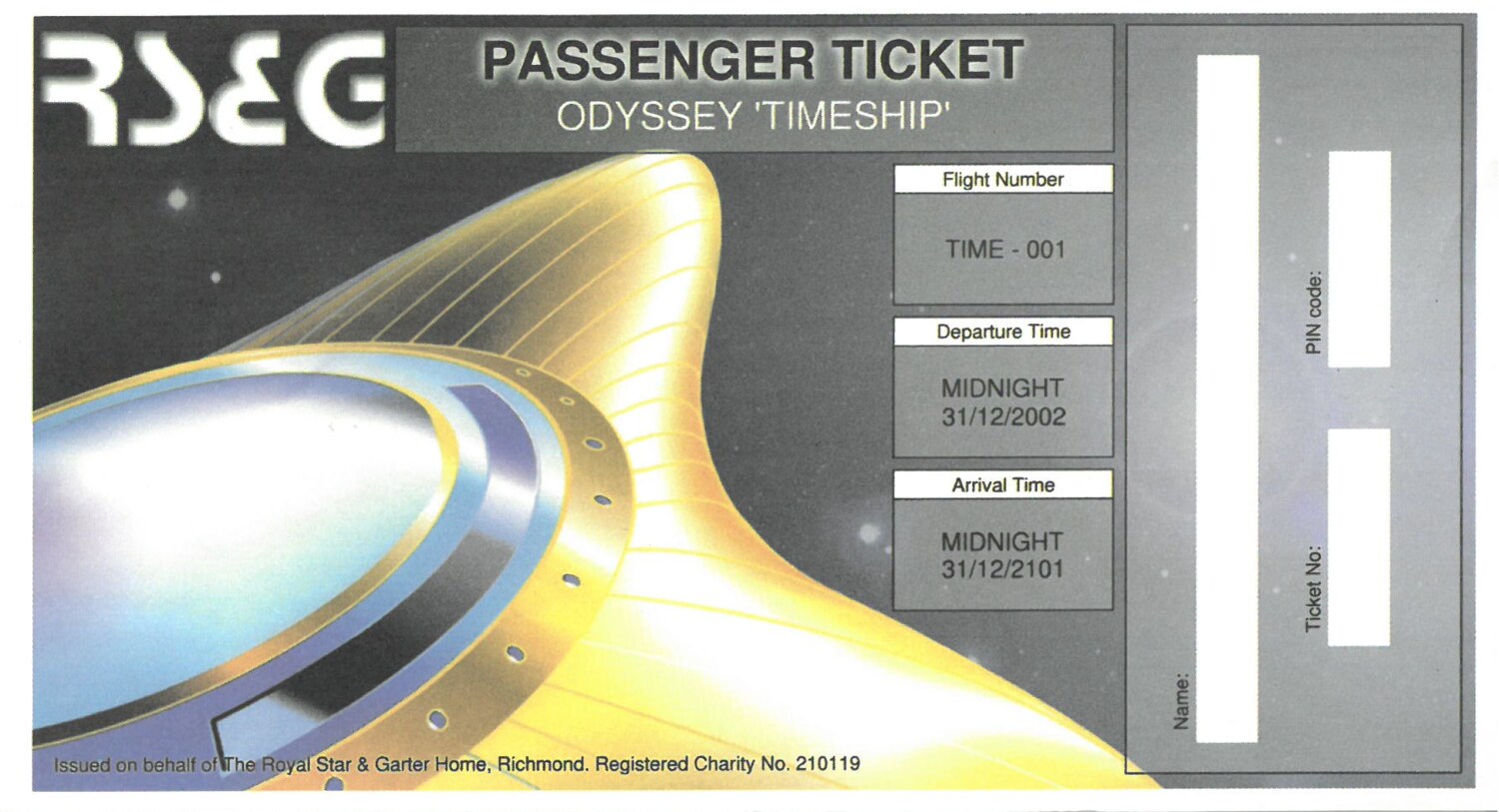
An individual ticket cost £10 and carried a story of up to 500 words and two photographs. A unit or association ticket cost £100 and carried up to 5,000 words and twenty photographs. Tickets could be bought online, by telephone, or by post - and every purchaser received a printed ticket with a unique ticket number and PIN, posted the same day.
The Queen's letter
The significance of the project was recognised at the highest level before it even launched. On 14 February 2001, Her Majesty Queen Elizabeth II wrote to Vice Admiral Sir David Dobson KBE, Chairman of the Board of Governors of the Royal Star and Garter Home:
I was most interested to learn of the Odyssey Project. The creation of a unique, historical record of our country's Armed Forces in the Twentieth Century will, I am sure, be an important and significant document for future generations and historians. I congratulate The Royal Star and Garter Home for Disabled Ex-Service Men and Women in Richmond as initiators of this innovative and imaginative idea.
ELIZABETH R., 14th February, 2001
The letter itself is in the artefacts collection.
The launch
The Odyssey Timeship opened for entries on D-Day - 6 June 2001 - with the launch ceremony and first live sales following on 7 June. The launch party at the Home was a high-profile affair, attended by Lords, Ladies, senior military figures and stars including Sir Michael Caine and Dame Thora Hird.
The system had been finalised and commissioned to a tight deadline, and the first live trial was undertaken on the opening night itself - the kind of moment where months of engineering either works flawlessly or fails publicly. It worked, and the first tickets were sold that evening.
The handover
In November 2001, the first set of records was officially handed over to HRH the Duke of Kent, President of the Board of Trustees of the Imperial War Museum. The handover was made by Falklands veteran Simon Weston, supported by Forces' sweetheart Dame Vera Lynn, at the Imperial War Museum, Lambeth Road - an event recorded in the Court Circular on royal.uk.
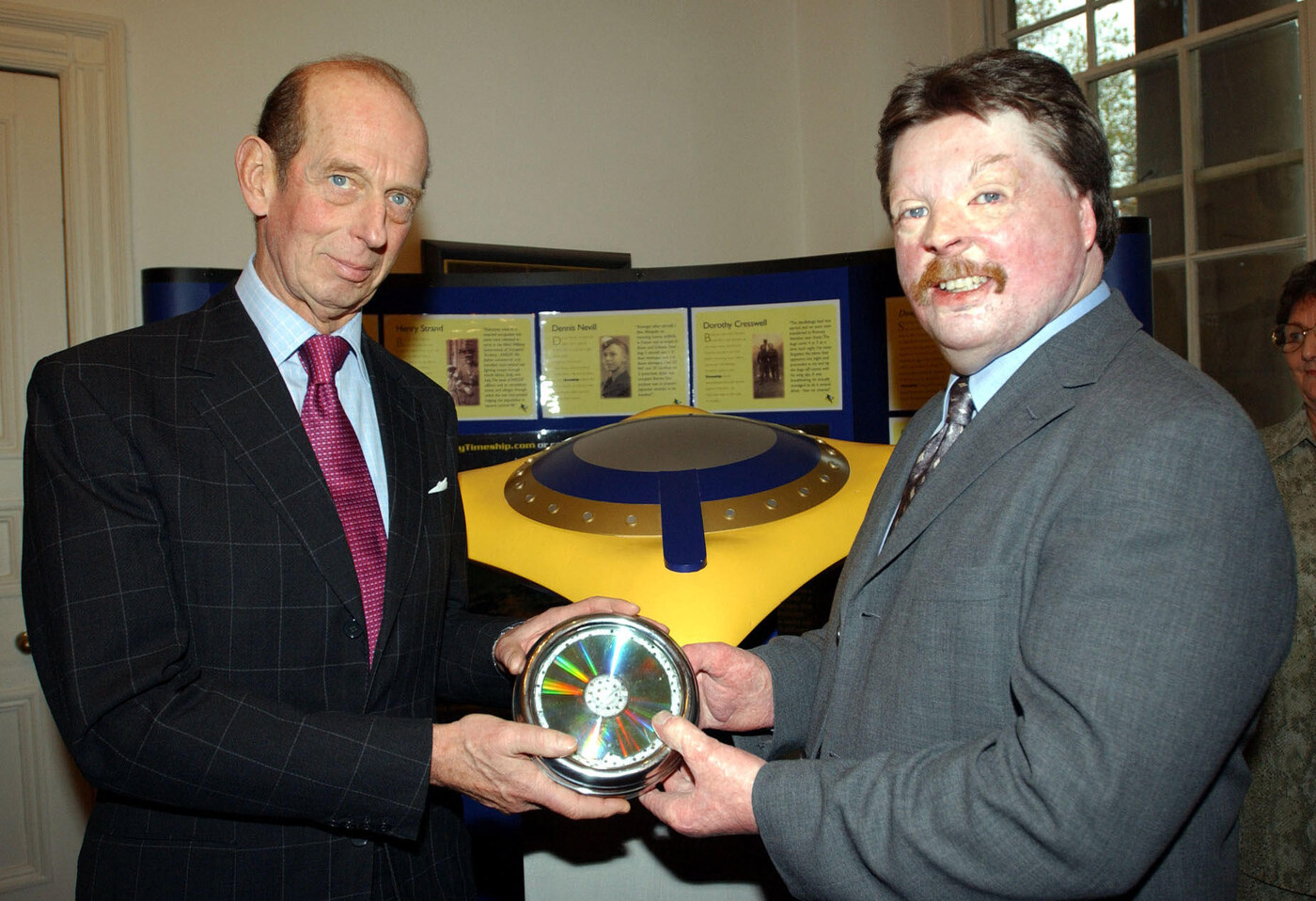
The data was handed over in open formats, ensuring that when the capsule is opened in 2101 it can be read freely without proprietary software - the technology page explains why that mattered so much.
The voyage closes
The project closed to new entries on 6 June 2002, one year after launch, with postal applications accepted until 31 July 2002. Around 700 tickets had been purchased by veterans and service groups across the country, and the Imperial War Museum received a wealth of wartime tales, documents and photographs from those who lived through them.
Many of those who submitted their stories are no longer with us. Their words will outlive them by generations - that was the whole point.
The story continues in the archive and 2101.